



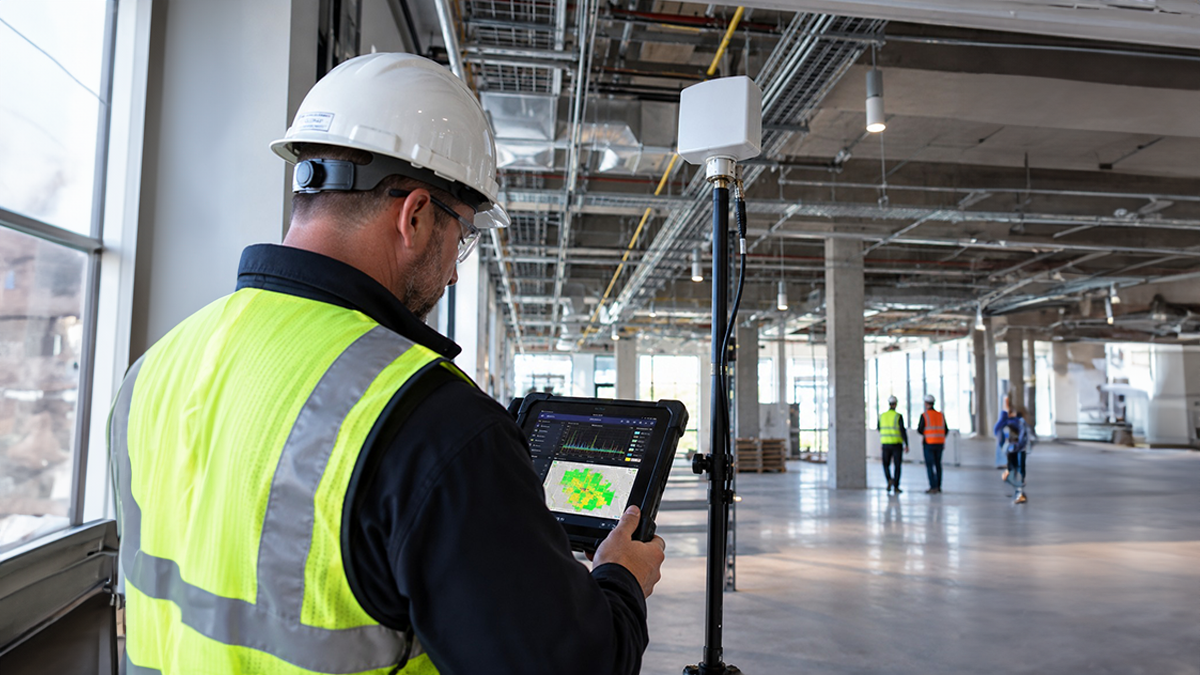
A Distributed Antenna System may be carefully designed and professionally installed, but the project is not truly complete until its real-world performance has been verified. Building materials, architectural layouts, equipment placement, interference, and installation variables can all affect how radio frequency signals travel through a facility. DAS field testing provides the measurable evidence needed to confirm that the system performs as intended where people actually use it.
For building owners, general contractors, system integrators, and facility teams, professional DAS Field Testing helps identify coverage deficiencies before they become operational problems, inspection failures, or expensive closeout delays.
What Is DAS Field Testing?
DAS field testing is the process of measuring, validating, and documenting wireless coverage throughout a building or campus. Technicians use calibrated RF testing equipment to collect signal data in designated areas, verify uplink and downlink performance, identify weak zones, and compare actual results with system design requirements and project objectives.
Depending on the type of system and the applicable requirements, testing may include grid testing, signal-strength measurements, coverage mapping, acceptance testing, system commissioning, troubleshooting, and post-installation verification. The findings create a clear record of system performance and identify any areas that may require adjustment before final acceptance.
Why Real-World Validation Matters
Predictive modeling is essential during the design phase, but a completed building rarely behaves exactly like a digital model. Reinforced concrete, Low-E glass, metal framing, elevators, mechanical rooms, stairwells, underground parking areas, and changes made during construction can alter signal propagation. Even small installation differences may affect system performance.
Field testing replaces assumptions with real measurements. It enables project teams to locate dead zones, evaluate signal consistency, confirm that antennas and active components are functioning correctly, and determine whether the system requires optimization. Addressing deficiencies before occupancy or final inspection can reduce rework and help keep the project moving toward closeout.
Testing Public Safety and Cellular DAS Systems
Testing objectives depend on the system’s purpose. For an ERRCS/Public Safety DAS, the priority is dependable in-building radio communication for firefighters, police officers, and emergency medical personnel. Coverage must be evaluated in critical and hard-to-reach areas, including stairwells, basements, parking garages, fire pump rooms, elevators, and mechanical spaces.
For a Cellular DAS, testing focuses on the experience of mobile users and the network’s ability to provide consistent voice and data coverage throughout the property. Hospitals, hotels, high-rise buildings, airports, stadiums, manufacturing facilities, and commercial properties each present different RF conditions, traffic patterns, and performance expectations.
Although their requirements differ, both system types benefit from a disciplined process that documents coverage, detects performance gaps, and confirms whether the installed network is meeting its intended purpose.
The Role of RF Engineering
Field measurements are most valuable when they are interpreted within the context of the system design. Experienced RF Engineering professionals can evaluate test results, distinguish isolated anomalies from broader design issues, and recommend targeted corrective action. This may include optimizing antenna placement, adjusting system levels, investigating interference, or reviewing how building changes affected the original RF plan.
Connecting engineering, installation, testing, and optimization under one coordinated process can improve accountability and reduce the time lost when multiple vendors must exchange incomplete information. It also helps ensure that any adjustments are based on measured conditions rather than trial and error.
Supporting Compliance and Project Acceptance
For public safety systems, successful testing is closely connected to code compliance and approval by the local Authority Having Jurisdiction. Requirements may vary by jurisdiction, building type, adopted code, and public safety radio network. Project teams therefore need to understand the applicable testing procedures, documentation expectations, and acceptance criteria early in the process.
Effective AHJ Coordination helps align the design, testing plan, documentation, and inspection process with local expectations. That coordination can reduce uncertainty, support a more efficient review, and help prevent avoidable delays associated with incomplete reports or misunderstood requirements.
When Should DAS Field Testing Be Performed?
- Field testing is important at several stages of a wireless system’s lifecycle:
- Before design, to document existing coverage and establish baseline conditions.
- After installation, to verify coverage and system performance before commissioning.
- During project closeout, to support acceptance, inspection, and required documentation.
- After renovations or building changes that may affect signal propagation.
- During periodic inspections or recertification, according to system and jurisdictional requirements.
- When users or facility teams report dead zones, dropped communications, or inconsistent performance.
What a Complete Testing Partner Should Deliver
A useful field-testing engagement should produce more than a collection of signal readings. Project stakeholders need organized findings that explain where testing occurred, what was measured, whether the results met the applicable criteria, and which deficiencies require attention. Clear reporting supports communication among owners, contractors, integrators, engineers, inspectors, and facility managers.
The testing team should also understand the broader project lifecycle. When technicians can connect field data with RF design, system commissioning, troubleshooting, compliance documentation, and long-term maintenance, the results become more actionable and valuable to the entire project team.
Verify Performance Before It Matters Most
Reliable wireless coverage should never be assumed. DAS field testing confirms how the system performs inside the completed facility, uncovers hidden deficiencies, and provides the documentation needed to support commissioning and acceptance. For public safety communications, cellular connectivity, and enterprise wireless networks, that final validation protects the project investment and gives stakeholders greater confidence in the system from day one.
With more than 30 years of wireless industry experience, ANS Advanced Network Services provides comprehensive DAS field testing, RF performance validation, coverage verification, troubleshooting, and acceptance support nationwide. Contact ANS at 800-268-0937 or info@anscorporate.com to schedule an evaluation.